
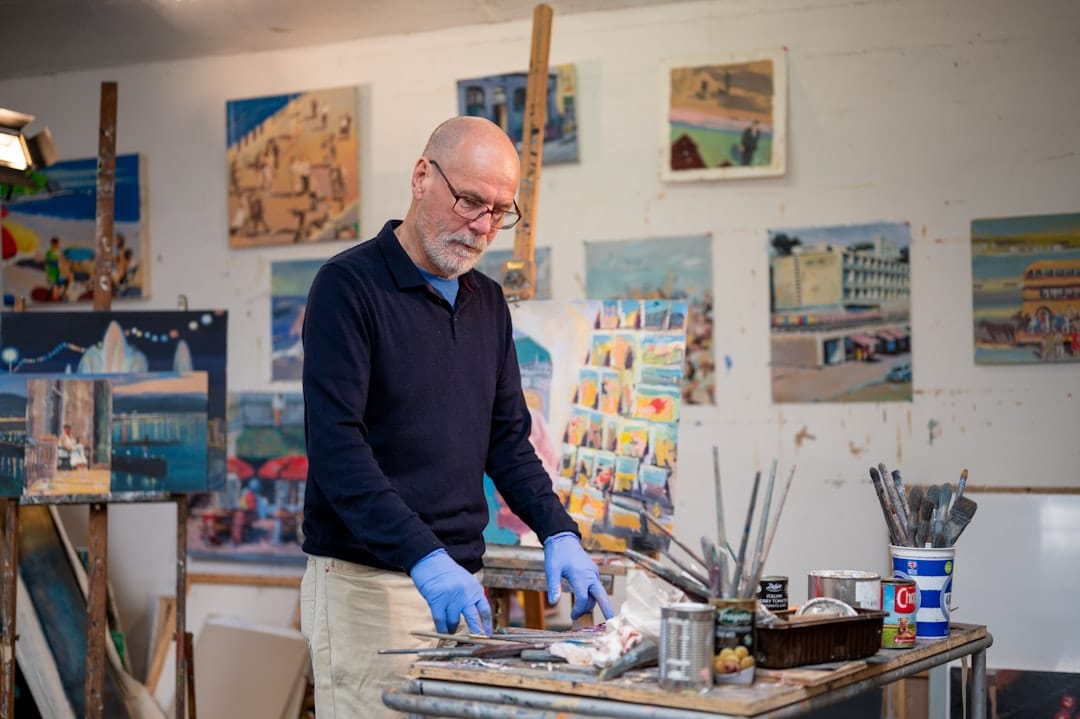
In today’s digital age, having a personal website is essential for artists looking to showcase their work and connect with a broader audience. A well-designed artist website serves as a virtual gallery, allowing you to present your art in a professional manner while also providing potential buyers and fans with a way to learn more about you and your creative process. Whether you’re a painter, sculptor, photographer, or digital artist, building your own website can be an empowering step in establishing your online presence.
Creating your own artist website may seem daunting at first, but with the right tools and guidance, it can be an enjoyable and fulfilling experience. This article will walk you through the essential steps to build a stunning website that reflects your unique artistic vision. From choosing the right website builder to showcasing your artwork effectively, we’ll cover everything you need to know to get started on this exciting journey.
Key Takeaways
- Selecting a website builder tailored for artists is crucial for ease of use and effective showcasing.
- Design your website to highlight your artwork with clean layouts and high-quality images.
- Craft engaging content that tells your artistic story and connects with your audience.
- Incorporate e-commerce features to sell your artwork directly through your site.
- Use SEO and social media to promote your website and regularly update it to keep content fresh.
Choosing the Right Website Builder for Artists
When it comes to building your artist website, selecting the right website builder is crucial. There are numerous platforms available, each offering different features and functionalities tailored to various needs. For artists, it’s important to choose a builder that allows for easy customization and provides visually appealing templates that can highlight your artwork effectively. WordPress is one of the most popular choices among artists due to its flexibility and extensive range of themes and plugins.
WordPress offers both free and paid options, making it accessible for artists on any budget. With its user-friendly interface, even those with minimal technical skills can create a professional-looking website. Additionally, WordPress supports various multimedia formats, allowing you to showcase images, videos, and even audio files of your work. Other popular website builders like Wix and Squarespace also offer great features for artists, but they may come with limitations in terms of customization or higher costs.
Designing Your Artist Website: Tips and Tricks

Once you’ve chosen a website builder, the next step is designing your artist website. The design should reflect your artistic style while ensuring that it is user-friendly and easy to navigate. Start by selecting a clean and simple layout that allows your artwork to take center stage. Avoid cluttering the homepage with too much information; instead, focus on creating a visually appealing first impression that invites visitors to explore further.
Color schemes play a significant role in design. Choose colors that complement your artwork and create a cohesive look throughout the site. For instance, if your art features vibrant colors, consider using a neutral background to make your pieces pop. Additionally, ensure that your website is mobile-responsive, as many users will access it from their smartphones or tablets. A responsive design ensures that your site looks great on any device, enhancing the user experience.
Showcasing Your Artwork on Your Website
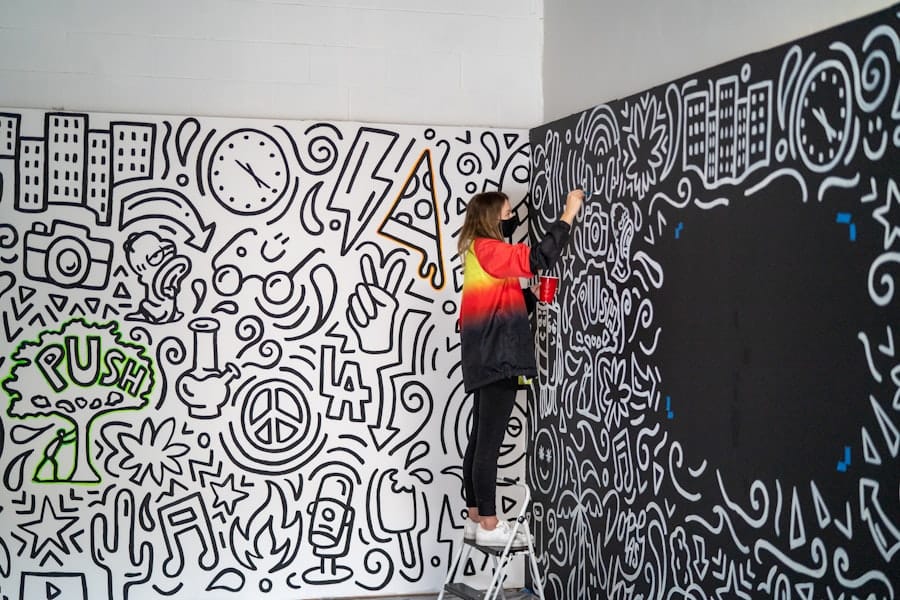
The primary purpose of your artist website is to showcase your artwork effectively. High-quality images are essential; they should accurately represent the colors and details of your pieces. Invest time in photographing your artwork in good lighting and at high resolution. Consider creating separate galleries for different styles or series of work, making it easier for visitors to navigate through your portfolio.
In addition to images, consider adding descriptions for each piece. This can include the title, medium, dimensions, and a brief story behind the artwork. Providing context helps potential buyers connect with your work on a deeper level.
You might also want to include an “About” page where you share your artistic journey, influences, and techniques.
This personal touch can resonate with visitors and encourage them to support your art.
Writing Compelling Content for Your Artist Website
| Platform | Free Plan Features | Storage Limit | Customization Options | Artist-Specific Tools | Ease of Use | Ads on Free Plan |
|---|---|---|---|---|---|---|
| Wix | Drag & drop editor, templates, basic SEO | 500 MB | High – full design control | Music player, galleries, event calendar | Very Easy | Yes |
| Weebly | Drag & drop, basic templates, SEO tools | 500 MB | Moderate – limited theme editing | Audio player, image galleries | Easy | Yes |
| WordPress.com | Blogging tools, basic themes, SEO | 3 GB | Moderate – theme customization | Plugins for music, galleries (limited on free) | Moderate | Yes |
| Bandzoogle | Free trial only, no permanent free plan | N/A | High – designed for musicians | Built-in music player, merch store | Easy | No (trial) |
| Site123 | Free templates, basic SEO, mobile-friendly | 500 MB | Low – limited customization | Audio player, event calendar | Very Easy | Yes |
While visuals are crucial for an artist website, compelling written content is equally important. Your words can help convey your artistic vision and engage visitors more deeply. Start by crafting an engaging homepage that introduces who you are as an artist and what visitors can expect from your site. Use clear and concise language that reflects your personality while remaining professional.
Blogging is another excellent way to enhance your website’s content. Consider writing posts about your creative process, upcoming exhibitions, or insights into specific pieces of art. This not only provides fresh content for search engines but also helps establish you as an authority in your field. Engaging content can keep visitors coming back for more and encourage them to share your site with others.
Integrating E-commerce and Selling Your Artwork Online
If you’re looking to sell your artwork directly from your website, integrating e-commerce functionality is essential. Many website builders offer built-in e-commerce features or plugins that allow you to set up an online store easily. With WordPress, for example, you can use WooCommerce—a powerful plugin that enables you to manage inventory, process payments, and handle shipping seamlessly.
When setting up your online store, ensure that product pages are visually appealing and informative. Include multiple images of each piece from different angles and provide detailed descriptions that highlight the unique aspects of the artwork. Additionally, consider offering limited-time promotions or discounts to encourage sales. A well-structured e-commerce section can significantly boost your revenue while providing art lovers with an easy way to purchase your work.
Promoting Your Artist Website: SEO and Social Media Strategies
Creating a beautiful artist website is just the beginning; promoting it effectively is key to attracting visitors and potential buyers. Search Engine Optimization (SEO) plays a vital role in increasing your site’s visibility on search engines like Google. Start by researching relevant keywords related to your art style or niche and incorporate them naturally into your content, titles, and image alt tags.
Social media is another powerful tool for promoting your artist website. Platforms like Instagram, Pinterest, and Facebook are particularly effective for visual artists. Share images of your artwork along with links back to your website to drive traffic. Engaging with followers through comments and direct messages can help build a loyal community around your art. Collaborating with other artists or influencers can also expand your reach and introduce new audiences to your work.
Maintaining and Updating Your Artist Website
Once your artist website is live, it’s important to maintain and update it regularly. This not only keeps the content fresh but also signals to search engines that your site is active—improving its ranking over time. Schedule regular check-ins to update galleries with new artwork, refresh blog posts, or add upcoming events such as exhibitions or workshops.
Additionally, pay attention to website performance metrics using tools like Google Analytics. Monitoring visitor behavior can provide valuable insights into what content resonates most with your audience and where improvements can be made. By staying engaged with your website’s performance and making necessary adjustments, you’ll ensure that it continues to serve as an effective platform for showcasing your art.
In conclusion, building an artist website may seem overwhelming at first glance, but by following these steps—choosing the right builder, designing thoughtfully, showcasing artwork effectively, writing compelling content, integrating e-commerce features, promoting through SEO and social media strategies, and maintaining regularly—you’ll create a powerful online presence that reflects your artistic identity. Remember that this journey is not just about creating a website; it’s about sharing your passion with the world and connecting with those who appreciate your art. So take the plunge—your online gallery awaits! For more resources on building websites or enhancing your online presence as an artist, check out our related articles on SEO strategies and social media marketing tips tailored for creatives!
FAQs
1. How can I create an artist website for free?
You can create an artist website for free by using website builders like Wix, WordPress.com, or Weebly. These platforms offer free plans with customizable templates specifically designed for artists to showcase their portfolios, biographies, and contact information.
2. What features should an artist website include?
An artist website should include a portfolio gallery, an artist statement or biography, contact details, social media links, and possibly a blog or news section to share updates. It should also have a clean, visually appealing design that highlights the artwork.
3. Are there any limitations to free artist website builders?
Yes, free website builders often have limitations such as displaying platform ads, limited storage or bandwidth, restricted customization options, and the use of a subdomain (e.g., yourname.wixsite.com) instead of a custom domain name.
4. Can I sell my artwork directly from a free artist website?
Some free website builders offer e-commerce features, but these may be limited or require upgrading to a paid plan. However, you can link your website to external online stores or platforms like Etsy or Shopify to sell your artwork.
5. Is it important to have a custom domain for my artist website?
While not mandatory, having a custom domain (e.g., www.yourname.com) looks more professional and makes your website easier to remember. Most free website builders allow you to purchase a custom domain or connect one you already own.
Leave a Reply