
Dropshipping is a retail fulfillment method that has gained immense popularity in recent years, especially among budding entrepreneurs looking to start an online business with minimal upfront investment. In a dropshipping model, the retailer does not keep the products in stock. Instead, when a customer makes a purchase, the retailer purchases the item from a third party—usually a wholesaler or manufacturer—who then ships it directly to the customer. This means that you, as the retailer, never handle the product directly, which significantly reduces the risks and costs associated with inventory management.
One of the most appealing aspects of dropshipping is its accessibility. You don’t need to invest heavily in inventory or warehouse space, making it an attractive option for those who are just starting out. Additionally, dropshipping allows for a wide range of products to be sold without the need for extensive market research or upfront costs. However, it’s essential to understand that while dropshipping can be a low-risk business model, it also comes with its own set of challenges, such as finding reliable suppliers and managing customer expectations regarding shipping times and product quality.
Key Takeaways
- Dropshipping allows you to sell products without holding inventory by partnering with suppliers.
- Choosing a specific niche helps target the right audience and reduces competition.
- Selecting the right e-commerce platform is crucial for ease of use and integration with suppliers.
- Effective marketing and customer service are key to attracting and retaining customers.
- Scaling the business involves optimizing operations, expanding product range, and increasing marketing efforts.
Choosing a Niche
Selecting the right niche is one of the most critical steps in establishing a successful dropshipping business. A niche is essentially a specific segment of the market that you will focus on. It’s important to choose a niche that not only interests you but also has sufficient demand and profitability potential. Conducting thorough market research can help you identify trending products and consumer needs. Tools like Google Trends, social media platforms, and keyword research tools can provide valuable insights into what products are currently popular.
When choosing your niche, consider factors such as competition, target audience, and potential profit margins. A niche with high competition may be challenging to penetrate, while a niche with low competition might indicate a lack of demand. Striking a balance is key; look for niches that have a passionate audience but aren’t oversaturated with competitors. For example, instead of selling generic fitness gear, you might focus on eco-friendly workout accessories or specialized equipment for home workouts. This targeted approach can help you stand out in the crowded e-commerce landscape.
Selecting a Platform
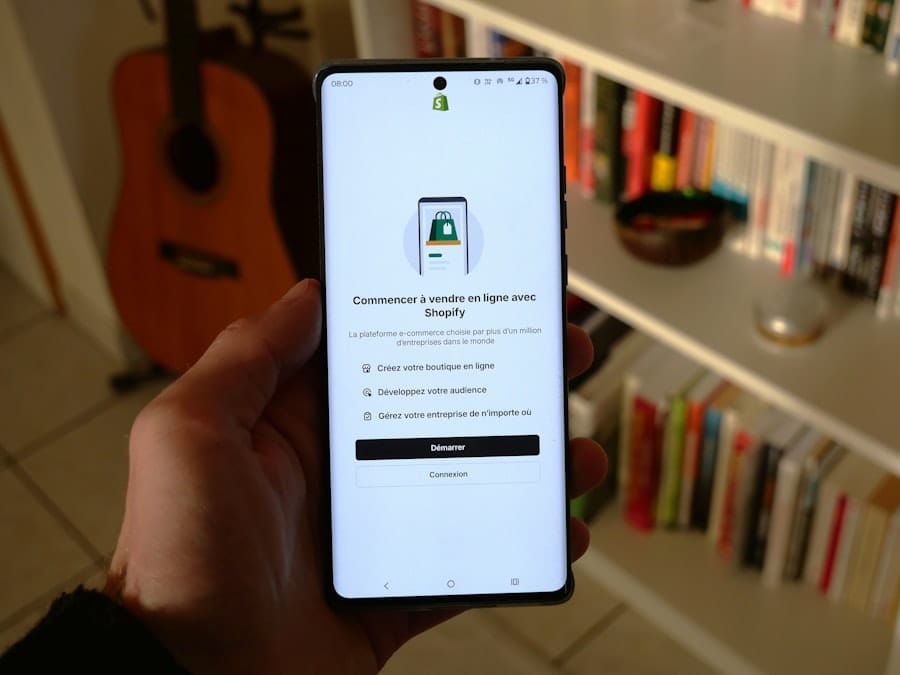
Once you’ve identified your niche, the next step is to choose an e-commerce platform to build your dropshipping website. There are several options available, but two of the most popular platforms for dropshipping are Shopify and WooCommerce (a WordPress plugin). Shopify is known for its user-friendly interface and all-in-one solution, making it ideal for beginners who want to get started quickly. On the other hand, WooCommerce offers more customization options and flexibility, especially if you’re already familiar with WordPress.
When selecting a platform, consider factors such as ease of use, scalability, payment processing options, and integration capabilities with dropshipping suppliers. If you’re looking for simplicity and speed, Shopify might be the way to go. However, if you prefer more control over your website’s design and functionality, WooCommerce could be a better fit. Additionally, both platforms offer various themes and plugins that can enhance your store’s appearance and performance, allowing you to create a unique shopping experience for your customers.
Setting up the Website

After choosing your platform, it’s time to set up your website. This process involves several key steps, including selecting a domain name, designing your site layout, and configuring essential settings. Your domain name should reflect your brand and be easy to remember. Once you’ve secured your domain, you can begin customizing your website’s appearance using themes or templates provided by your chosen platform.
When designing your website, focus on creating an intuitive user experience. Ensure that your navigation is straightforward and that customers can easily find products. High-quality images and compelling product descriptions are crucial for attracting buyers and encouraging them to make a purchase. Additionally, don’t forget to set up essential pages such as About Us, Contact Us, and Privacy Policy to build trust with your audience. A well-designed website not only enhances user experience but also contributes to better search engine rankings.
Adding Products
| Step | Action | Tools/Platforms | Estimated Time | Cost | Notes |
|---|---|---|---|---|---|
| 1 | Choose a niche | Market research tools, Google Trends | 1-2 days | Free | Focus on trending or evergreen products |
| 2 | Find suppliers | AliExpress, Oberlo, Spocket (free plans) | 2-3 days | Free | Check supplier ratings and shipping times |
| 3 | Create a website | Wix, WordPress with WooCommerce, Shopify (free trial) | 1-3 days | Free (basic plans) | Use free themes and templates |
| 4 | Set up product listings | Supplier product data, website CMS | 2-4 days | Free | Write unique descriptions and optimize images |
| 5 | Configure payment methods | PayPal, Stripe (free to set up) | 1 day | Free | Check transaction fees separately |
| 6 | Set up shipping and policies | Website CMS, supplier info | 1 day | Free | Clearly state shipping times and return policies |
| 7 | Launch and promote | Social media, SEO tools, email marketing (free plans) | Ongoing | Free | Use organic marketing to start |
With your website set up and designed, it’s time to start adding products to your online store. This step involves sourcing products from your chosen suppliers and listing them on your website. When adding products, ensure that you include high-quality images and detailed descriptions that highlight their features and benefits. Clear pricing information is also essential; consider including any shipping costs or potential discounts to provide transparency for your customers.
It’s important to maintain accurate inventory levels when dropshipping. Many platforms offer integrations with suppliers that automatically update stock levels on your website, reducing the risk of overselling products that are out of stock. Additionally, consider organizing your products into categories to make it easier for customers to browse your offerings. A well-structured product catalog not only enhances user experience but also improves your site’s SEO by making it easier for search engines to index your content.
Marketing and Promoting the Website
Once your products are live on your website, it’s time to focus on marketing and promoting your dropshipping business. Effective marketing strategies can help drive traffic to your site and convert visitors into customers. Start by leveraging social media platforms like Instagram, Facebook, and Pinterest to showcase your products and engage with potential customers. Creating visually appealing content that resonates with your target audience can significantly boost brand awareness.
In addition to social media marketing, consider implementing search engine optimization (SEO) techniques to improve your website’s visibility in search engine results. This includes optimizing product descriptions with relevant keywords, creating blog content related to your niche, and building backlinks from reputable sites. Email marketing is another powerful tool; collecting email addresses from visitors allows you to send targeted promotions and updates about new products or sales directly to interested customers.
Managing Orders and Customer Service
As orders start coming in, effective order management becomes crucial for maintaining customer satisfaction.
When a customer places an order on your website, you’ll need to promptly communicate with your supplier to fulfill the order.
Ensure that you have a streamlined process in place for tracking orders and managing shipping times.
Providing customers with tracking information can enhance their experience and build trust in your brand.
Customer service is another vital aspect of running a successful dropshipping business. Be prepared to handle inquiries about product availability, shipping times, and returns or exchanges. Offering multiple channels for customer support—such as email, live chat, or social media—can help address concerns quickly and efficiently. Remember that excellent customer service can lead to repeat business and positive word-of-mouth referrals.
Scaling and Growing the Business
Once you’ve established a solid foundation for your dropshipping business, it’s time to think about scaling and growth strategies. This could involve expanding your product range by adding new items or exploring additional niches that align with your brand. Diversifying your offerings can attract new customers and increase sales opportunities.
Another effective way to scale is by investing in paid advertising campaigns through platforms like Google Ads or Facebook Ads. These targeted ads can help reach potential customers who may not have discovered your store organically. Additionally, consider collaborating with influencers or bloggers in your niche who can promote your products to their audience.
As you grow, continuously analyze your business performance using analytics tools provided by your e-commerce platform or third-party services like Google Analytics. Monitoring key metrics such as traffic sources, conversion rates, and customer behavior will help you make informed decisions about future strategies.
In conclusion, starting a dropshipping business can be an exciting venture filled with opportunities for growth and success. By understanding the fundamentals of dropshipping, choosing the right niche and platform, setting up an appealing website, effectively marketing your products, managing orders efficiently, and implementing strategies for scaling, you can build a thriving online store that meets the needs of customers while achieving your entrepreneurial goals. For further resources on e-commerce strategies or website optimization tips, feel free to explore our related articles!
FAQs
What is dropshipping and how does it work?
Dropshipping is a retail fulfillment method where a store doesn’t keep the products it sells in stock. Instead, when a store sells a product, it purchases the item from a third party—usually a wholesaler or manufacturer—and has it shipped directly to the customer. This means the seller never handles the product directly.
Can I create a dropshipping website for free?
Yes, it is possible to create a dropshipping website for free using platforms that offer free plans or trials, such as Shopify (with trial), WooCommerce (with free WordPress hosting options), or free website builders like Wix or Weebly. However, some features or integrations may require paid upgrades.
What are the essential steps to create a dropshipping website for free?
The essential steps include choosing a free website builder or e-commerce platform, selecting a dropshipping niche, sourcing products from suppliers, setting up your online store with product listings and descriptions, integrating payment gateways, and marketing your website to attract customers.
Do I need technical skills to build a free dropshipping website?
Basic technical skills can be helpful but are not always necessary. Many website builders and e-commerce platforms offer user-friendly drag-and-drop interfaces and templates that simplify the process. However, some familiarity with website management and online marketing can improve your store’s success.
Are there any limitations to free dropshipping website platforms?
Yes, free platforms often have limitations such as restricted bandwidth, limited storage, fewer customization options, and the presence of platform branding or ads. Additionally, some payment gateways or dropshipping integrations may require paid plans to function fully.
Leave a Reply